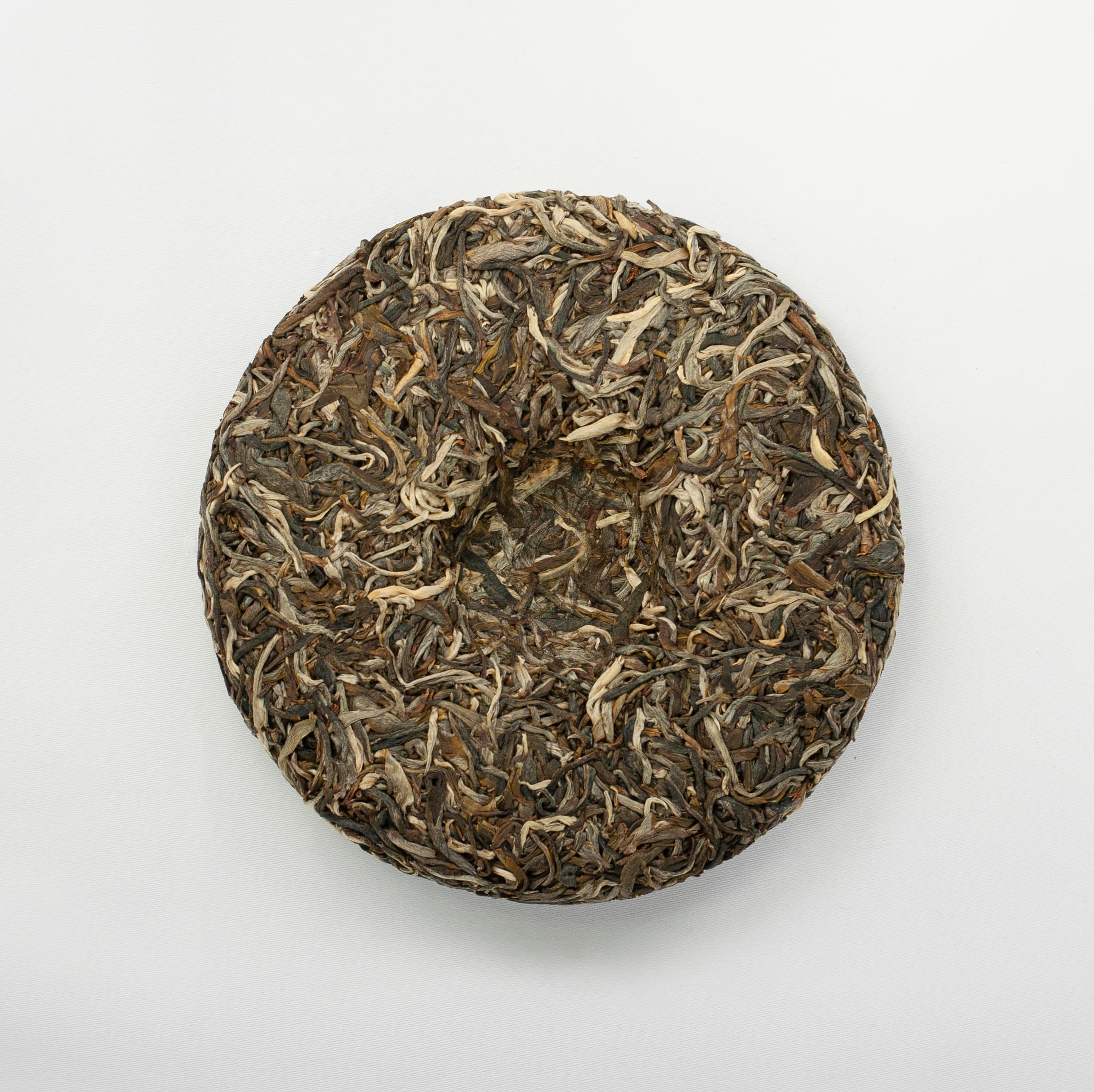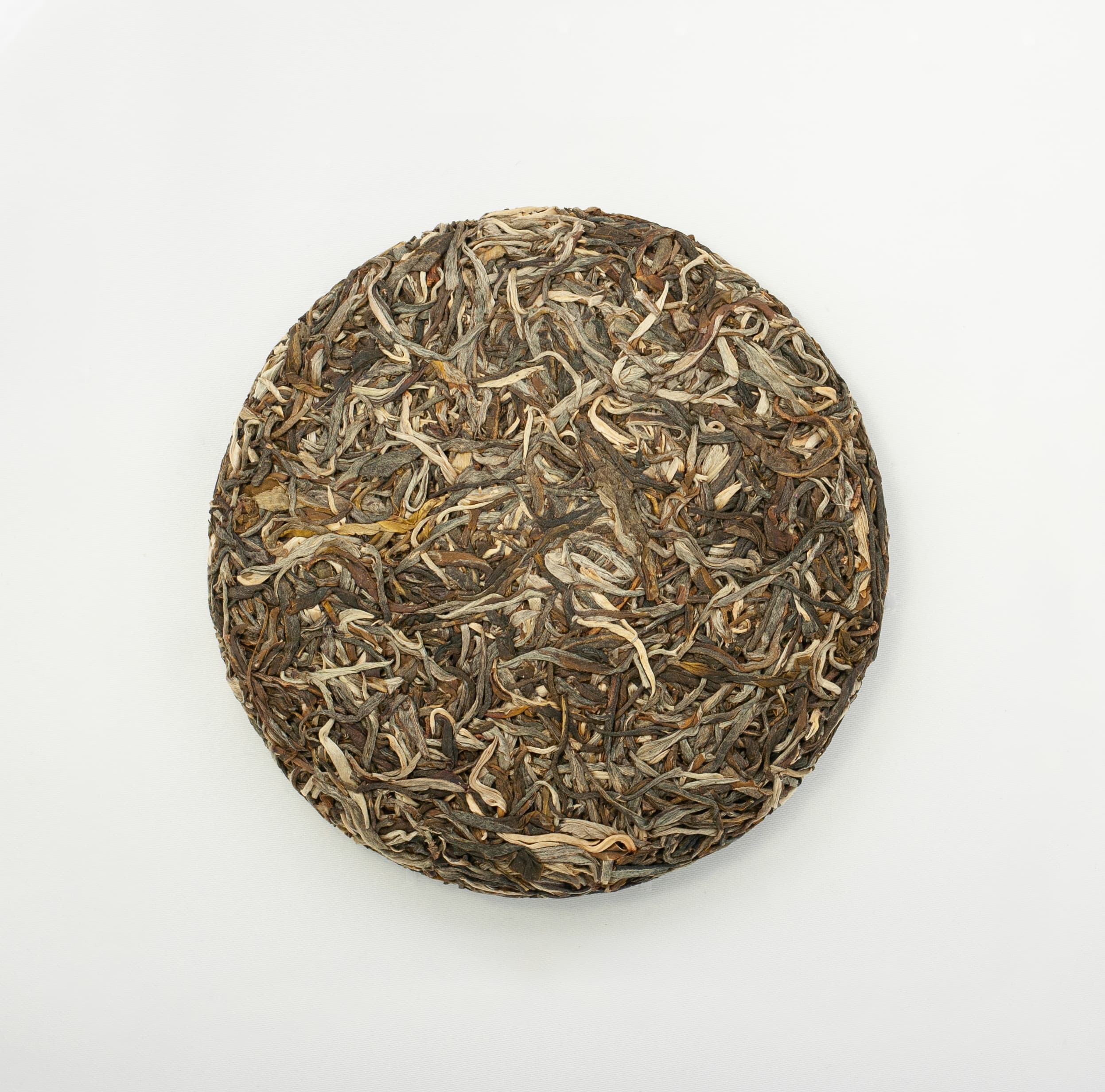
九 (Nine)
This high-mountain sheng puerh from Bulang returns with the 2026 harvest. Leaf from 100–120-year-old trees combines refined bitterness and spicy pungency with a cool floral and citrus aroma. A longstanding favourite with depth and potential for ageing.
Select variant
1 × 50 g
Total: $12.00
New here? Create an account
Delivery is paid separately; pickup has no delivery charge.
*Orders are processed securely.
Specifications
- Origin
- Bulang, Menghai, Xishuangbanna, Yunnan, China
- Harvest
- 16 March 2026
- Elevation
- 1,650–1,700 m
- Tree age
- 100–120 years
- Raw material
- Da Shu (large tea trees)
About the tea
Nine is a sheng puerh from Bulang that was one of our bestsellers and returns in 2026 with a new spring harvest. It combines recognisable bitterness, delicate pungency and a particularly complex aroma. This tea is already interesting while young: there is no need to wait through years of ageing to discover its character. At the same time, the quality of the leaf and its careful making give us reason to see good potential for further maturation.
Origin and production
The leaf was picked on 16 March 2026 in a garden in Bulang. The garden lies on a difficult-to-access slope at 1,650–1,700 metres above sea level, in a terroir well suited to tea. The trees are 100–120 years old.

The material is Da Shu, meaning large tea trees. In our tasting, its depth and character recall teas valued for the distinctive expression of old Gu Shu trees. The tea itself is carefully made: both the quality of the leaf and how interestingly it presents itself in its harvest year deserve attention.
We have worked with the farmers who care for this garden for many years, regularly buying their tea. Over time, the relationship has grown beyond supplying each harvest: the farmers themselves see this ongoing cooperation as a contribution to sustaining and developing their region’s tea culture. For us, Nine connects the character of Bulang with the people who care for its tea trees every day.

Place of origin
Bulang is a mountainous tea-growing area in Menghai County, Xishuangbanna, in the south of China's Yunnan Province. It is one of the well-known origins of puerh. Tea cultivation here is closely connected with the lives of the Bulang people: tea matters both as a crop and as part of local tradition. This broad regional name encompasses many different gardens; our Nine expresses the character of one particular high-mountain slope.
The story of the name
The name Nine is connected with the Chinese word jiu: the number nine sounds the same as a word expressing duration. For us, the name carries the idea of time: gradual maturation, transformation and the development of maturity. It is an image of a tea that is enjoyable now and interesting to set aside for future encounters.
Taste and aroma
The flavour has refined, characteristic bitterness and pungency. They give the young sheng definition and support its spicy character. Together with the aroma, this aspect makes Nine recognisable.
The aroma is cool, floral and citrusy, with pepper notes. A sense of freshness meets the spice and supports the clarity of the floral notes. Flowers, citrus and spice form a layered whole: in our experience, this is one of the most complex and deep aromas among the shengs in our repertoire. Even while young, the tea leaves a very pleasant impression of flavour and finish.
Brewing
Gongfu. Use 5 g per 100 ml of water, following the standard ratio of 1 g per 20 ml. A porcelain gaiwan or small teapot works well. Water temperature: 95 °C. A brief rinse is optional. Start with a drinking infusion of 5–10 seconds, decant completely and gradually extend the time. Expect up to eight infusions. If the bitterness becomes too pronounced, shorten the next infusion.
Simple steeping. Start with 2 g per 250 ml of water at 95 °C. Steep for 2–3 minutes and separate the leaf completely from the liquor. Re-steeping is possible: adjust the time to taste, taking the strength of the previous cup into account.
Session impression
Despite its youth, during our tasting the tea felt strong in Qi, the overall impression of the tea session. We experience its character as kind, relaxed and peaceful. This is a tea to get to know without hurry: it invites time for the aroma, flavour and finish, a longer stay at the tea table and a quiet moment.
Storage
Keep the tea in a clean place at a stable room temperature, away from sunlight, damp and other odours. For further ageing, use paper wrapping or a container designed for puerh that allows moderate air exchange. Avoid condensation and sudden changes in conditions; refrigeration is unnecessary.
Recommended for You
More fragrances worth exploring alongside this product.