Purple Qi
A red tea made from naturally purple buds, harvested on 7 March 2026 at an elevation of 1,900 metres in Da Xue Shan. Its fruit-and-wood profile combines bird cherry, apricot kernel, dark grape must, and delicate florals.
Select variant
1 × 50 g
Total: $10.00
New here? Create an account
Delivery is paid separately; pickup has no delivery charge.
*Orders are processed securely.
Specifications
- Origin
- Da Xue Shan
- Harvest
- 7 March 2026
- Raw material
- Naturally purple buds
- Elevation
- 1,900 m
- Processing
- Sun drying with a final oven finish
About the tea
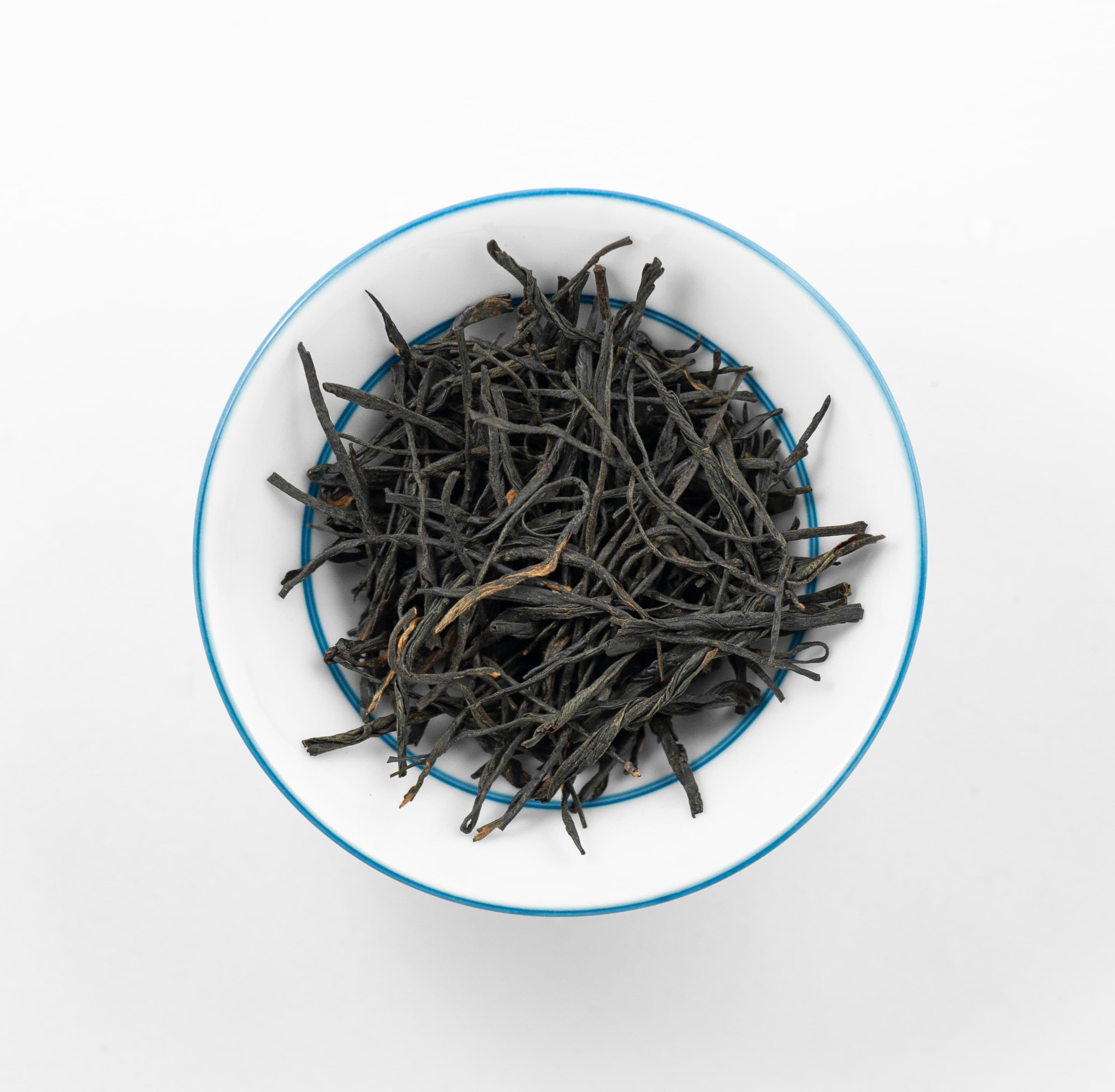
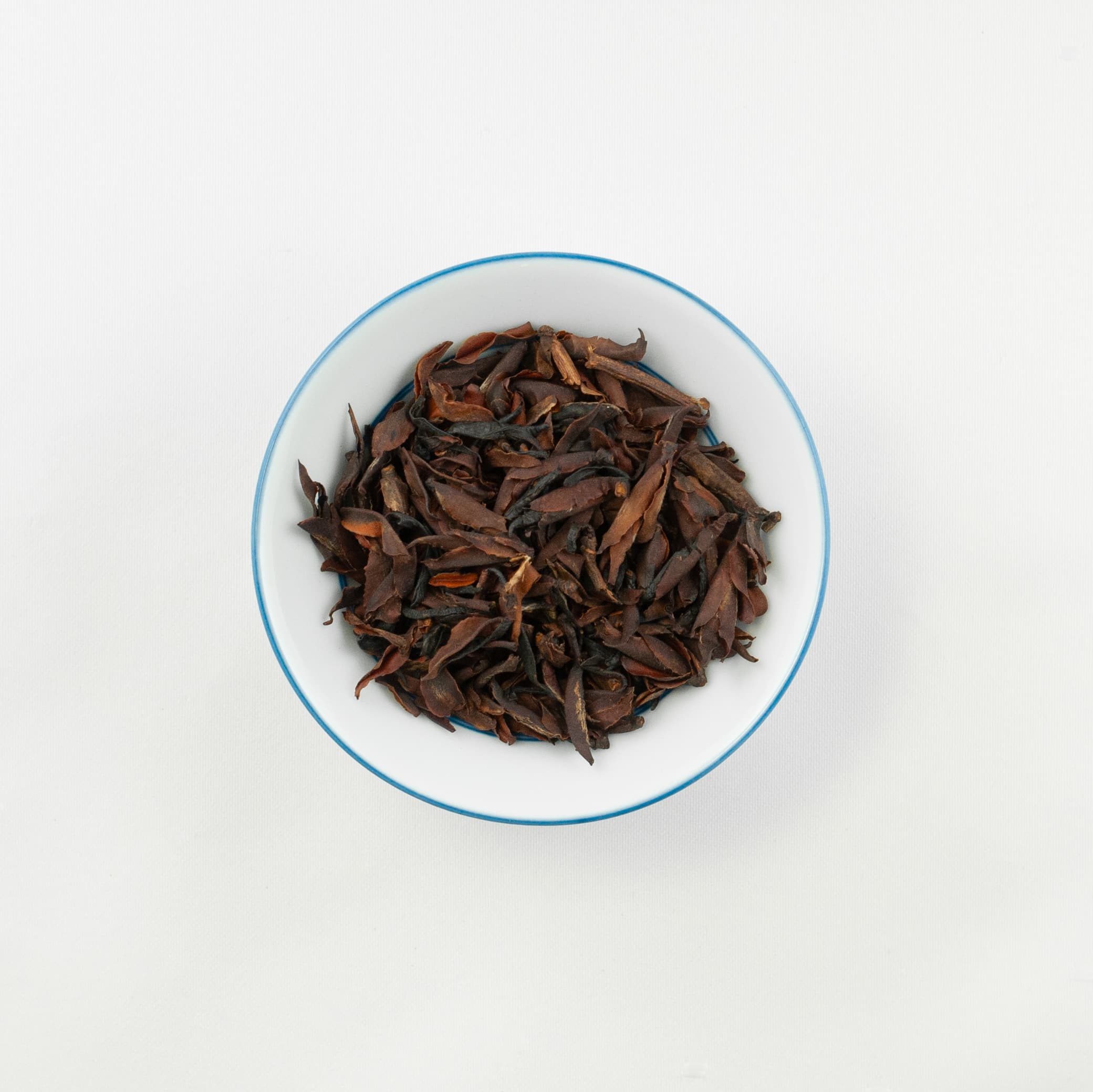
Purple Qi is a red tea made from naturally purple buds gathered from old, wild-growing tea trees in Da Xue Shan. It differs clearly from R-39: that tea is made from purple leaves, whereas this lot uses buds. The distinction is visible in the dry tea, where small, compact buds retain a mixture of copper-brown and dark tones. This is a tea for drinkers who enjoy substantial Yunnan red tea, an unusual fruit-and-wood profile, and a session whose character can be followed from one infusion to the next.
Origin and production
The material was harvested in Da Xue Shan on 7 March 2026 at an elevation of approximately 1,900 metres. Purple coloration in young tea material is associated with anthocyanin accumulation; it may be a cultivar trait or a response to environmental conditions. What matters for this lot is not the broad label “purple tea,” but its specific raw material: naturally purple buds. After oxidation, the tea was dried in the sun and received a final oven finish. This combination distinguishes it from a fully sun-dried shaihong and gives the tea a deeper, gently warmed character.
Taste and aroma
The dry buds smell warm and sweet, with fruit and wood in the foreground. In a warmed vessel, associations of bird cherry, ripe apricot kernel, and dark grape become clearer. The liquor has a rich, warm colour, a dense, slightly oily texture, and an unhurried development. Bird cherry and Isabella grape must form the centre of the profile, followed by rosewood, apricot kernel, and a delicate floral background. Astringency remains measured and useful rather than sharply drying. Across later infusions, the fruit softens, the wood becomes deeper, and a persistent finish returns sweet grape and floral impressions.
Brewing
Gongfu. Use 5 g per 100 ml in a gaiwan or small teapot, with water at 85–90 °C. Rinsing is optional; if desired, use only a very brief contact with water. Steep the first infusion for 5–7 seconds and add 3–5 seconds each round. Six to eight expressive infusions are a practical starting point.
Simple steeping. Use 3 g per 250 ml at about 90 °C. Steep for 2.5–3 minutes, separate the leaves from the liquor, and brew once more with roughly one additional minute. If the cup feels too dense, shorten the steep before reducing the amount of leaf.
Session impression
In our tasting, this tea benefited from an unhurried pace: the opening infusions emphasized brighter fruit, while later rounds settled into quieter woody depth. It does not demand an elaborate ceremony, but it rewards attention and shows clearly how one material can change through a session. This feels more like a tea for focused acquaintance than an incidental background drink.
Storage
Keep the tea tightly closed in a dry, dark place with a stable room temperature. Store it away from coffee, spices, incense, perfume, and household chemicals, since the dry leaf readily absorbs surrounding odours. Refrigeration is unnecessary; protection from moisture, light, heat, and abrupt temperature changes matters more.
Recommended for You
More fragrances worth exploring alongside this product.